
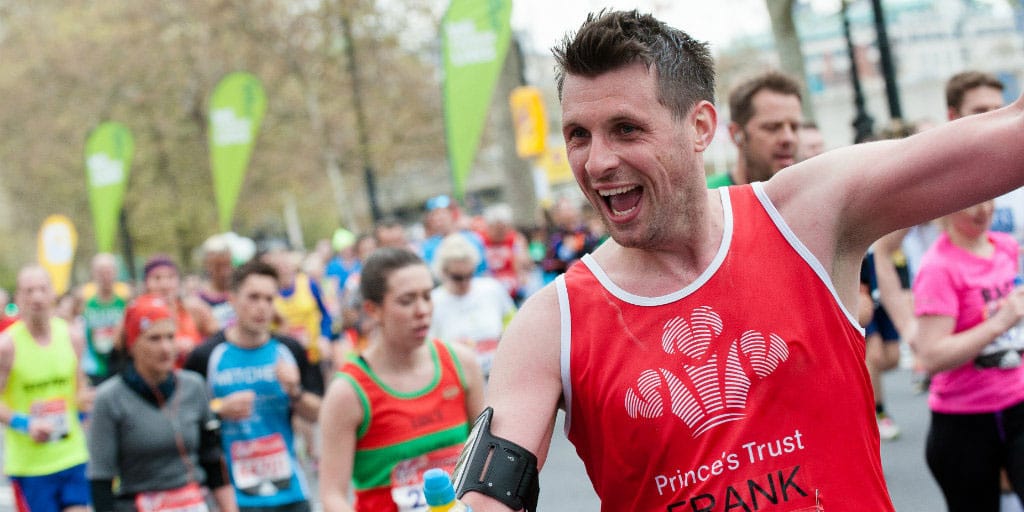
Whether you’re a seasoned runner or taking on your very first marathon, this challenge is about more than a finish time — it’s about futures. Together, we can turn determination into opportunity for young people — one mile at a time.
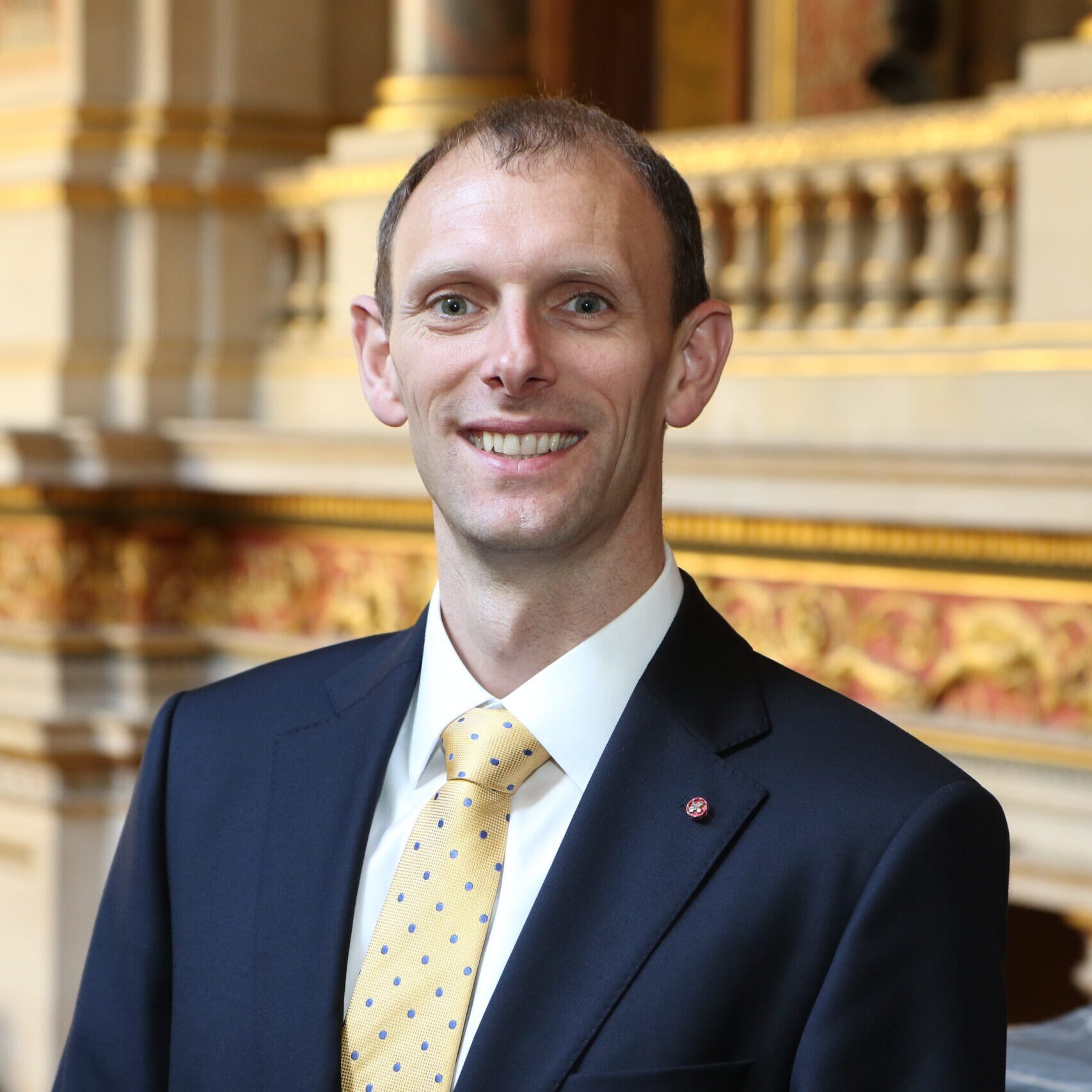
Name: Paul Rennie OBE, His Majesty’s Consul General in Los Angeles
Marathon: Los Angeles
Race motivation: Turning community spirit into real, lasting impact. Every mile is a reminder that with the right support, a young person’s future can change completely. Running in LA feels like the perfect way to help open doors for those who deserve a chance at a bright future.
Training soundtrack: High-energy anthems!
Post-marathon treat: “Chocolate!! And also not having to do any training for a few days …”
What I’m most looking forward to on race day: The buzz and the atmosphere. Being able to see LA from a whole different perspective. And being able to finish knowing I’ve been part of something worthwhile in raising money for the King’s Trust.
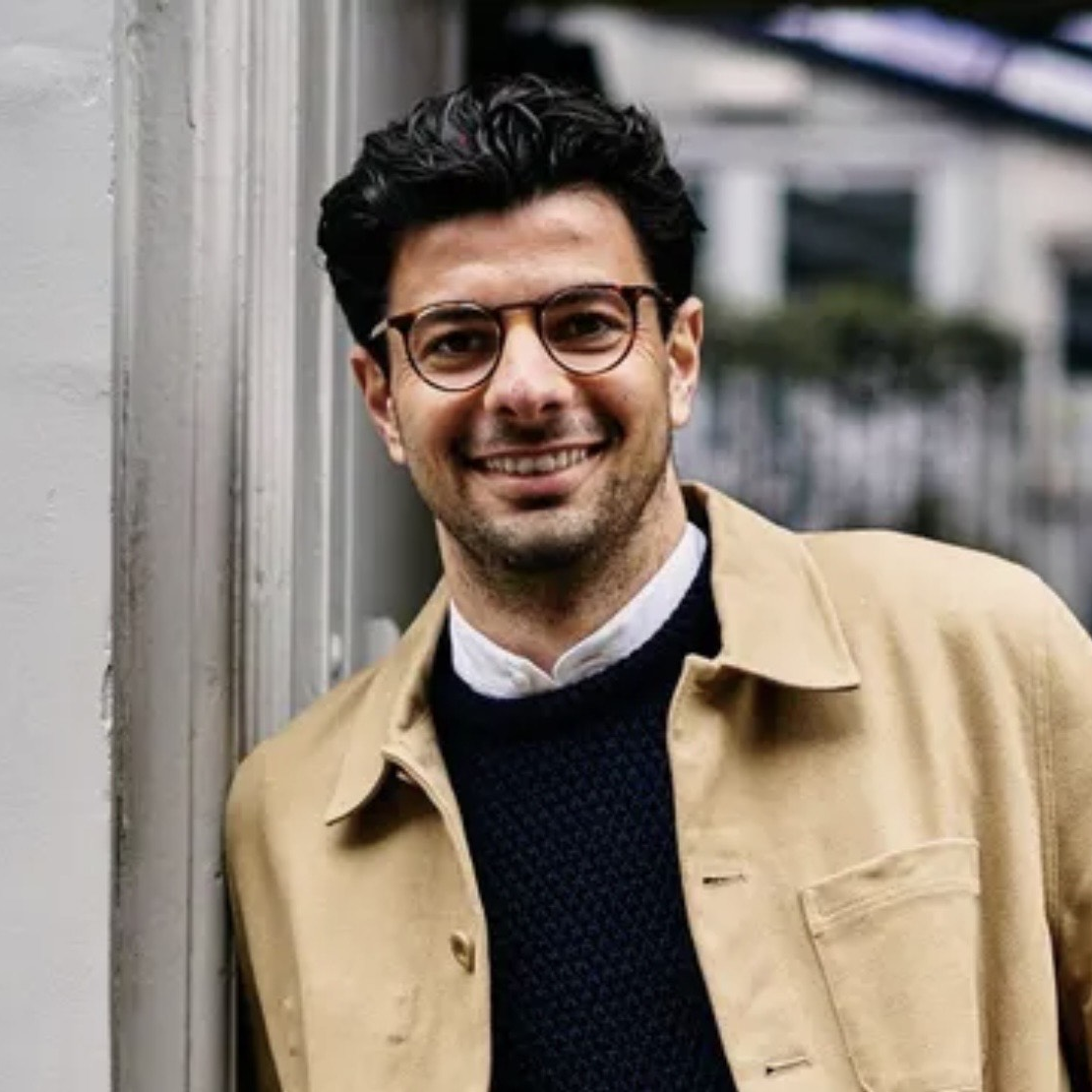
Name: Charlie Jardine
Marathon: Los Angeles
Race motivation: As an entrepreneurial Brit, living in LA, The Kings Trust is very close to my heart!
Training soundtrack: Soundtrack to my life, by Kid Cudi
Post-marathon treat: Pint of Hazy IPA
What I’m most looking forward to on race day: Jumping in the ocean and then drinking a pint when I finish
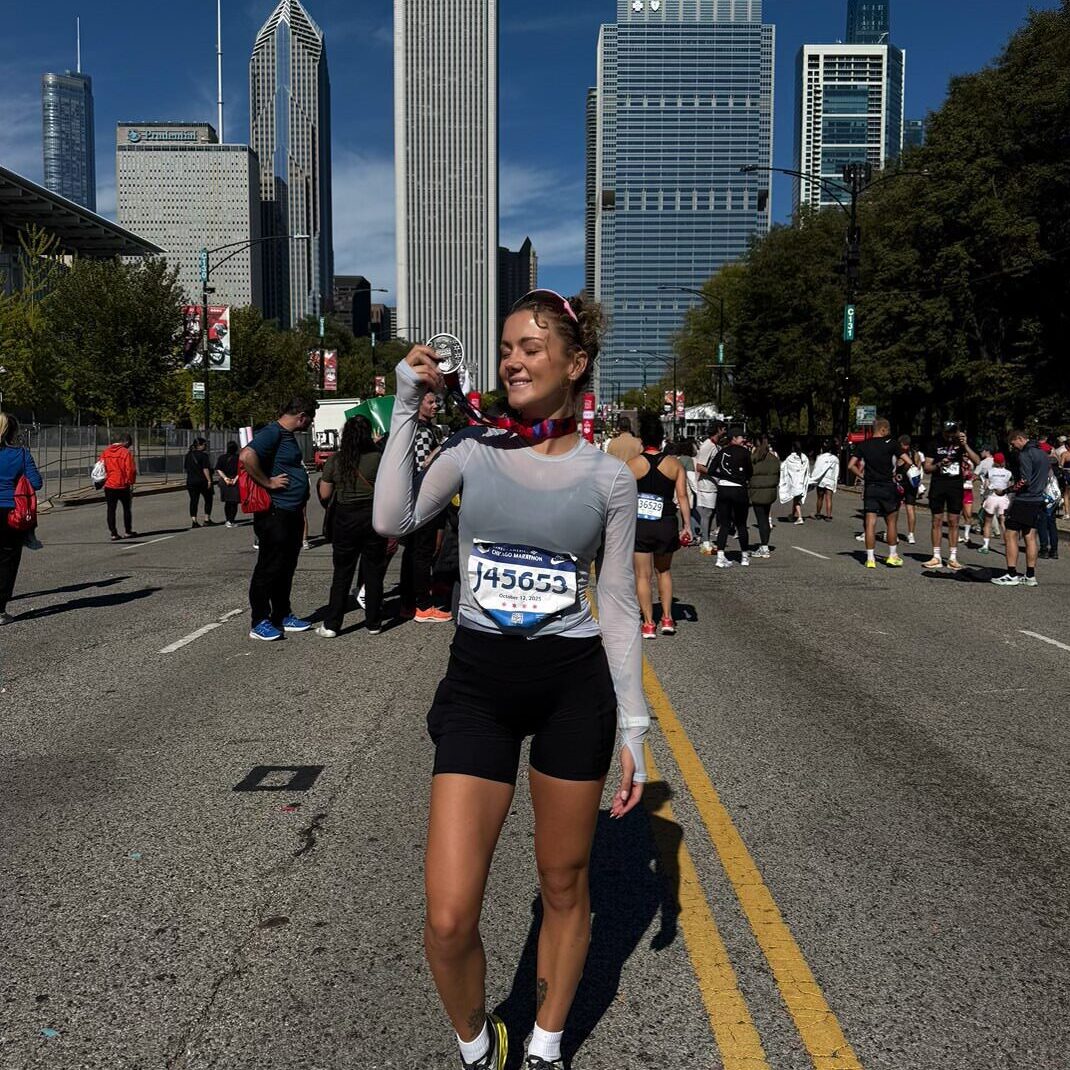
Name: Holly Brooks
Marathon: Los Angeles
Race motivation: This will be my fourth marathon, each has a different ‘why’ but this one is honestly motivated by the amazing work the Trust are doing for young people. Remembering that is what I am running and raising money for is going to get me through!
Training soundtrack: Anything Olivia Dean gets me through!
Post-marathon treat: ALWAYS a pizza (specifically from Emmys in Santa Monica)
What I’m most looking forward to on race day: Marathons bring such an incredible sense of community, I can’t wait to just feel the excitement from the crowds and fellow runners.

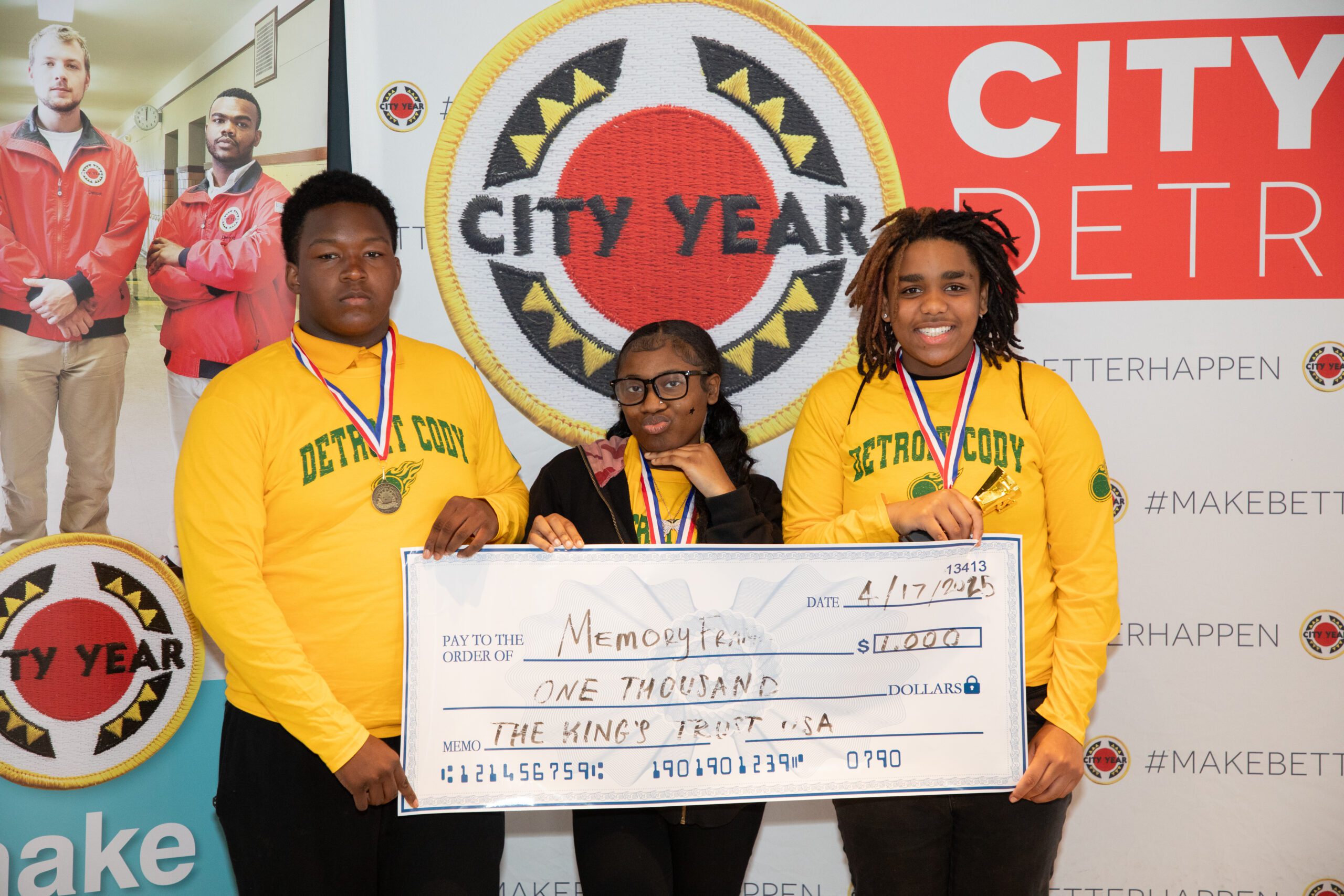
Memory Frame: Healing Through Innovation at Cody High School
Detroit Michigan
At Cody High School in Detroit, a business idea started with something deeply personal. Alyiana and Carlos had both lost a parent at a young age. For Alyiana, the hardest part was not having any photos or recordings to remember her mom by. That absence inspired the team’s idea, Memory Frame, a digital photo frame that displays images, plays videos, and includes voice recordings.
Together with teammate Jordyn, they turned grief into something powerful. At first, they were hesitant to share such a personal idea. But with support from their Impact Manager Justin and several City Year AmeriCorps members, they practiced week after week and learned to tell their story with strength and clarity.
Leading With Heart
By the time they presented at the Detroit finals, their pitch was heartfelt and compelling. One judge, who had recently lost her husband, was visibly moved. The team’s honesty and purpose made a strong impression, and they won the Detroit competition.
A Journey Beyond the Finals
The team later traveled to New York City for the national finals. While they didn’t win there, they represented Detroit with pride. Their story was featured on two local news stations, and their idea resonated far beyond the classroom.
The Enterprise Challenge gave them more than a business plan. It gave them a chance to heal, grow, and prove that even painful stories can lead to meaningful change.
“I don’t really have any memories of my mom. No pictures, no videos, not even the sound of her voice. We came up with Memory Frame so other people wouldn’t have to grow up like me,” said Alyiana.
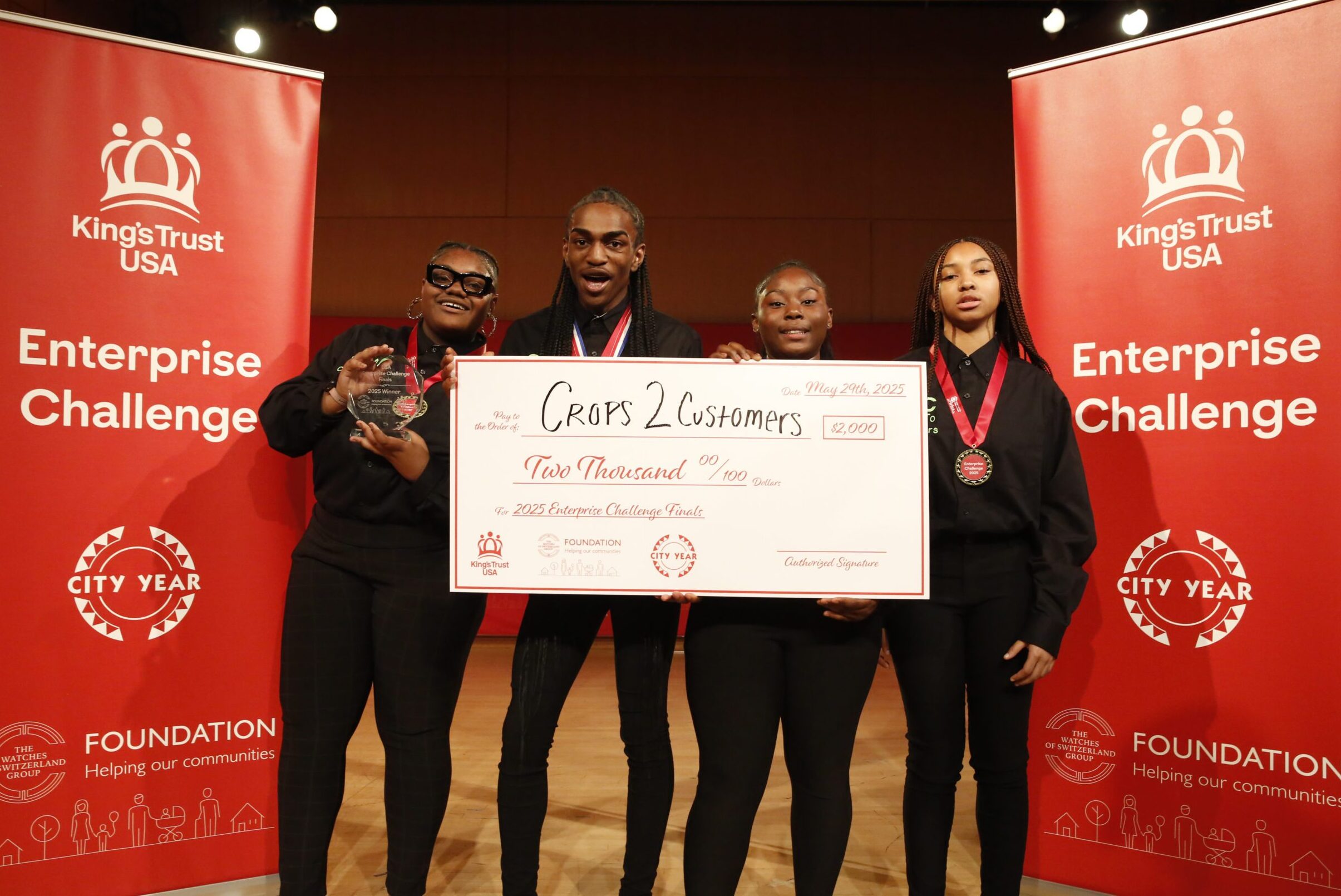
Crops to Customers
Chicago, Illinois
This year’s Enterprise Challenge champions are Crops to Customers, led by a team of students hailing from The Collins Academy in Chicago. The team developed a business to combat food deserts and provide fresh, affordable produce to North Lawndale.
In North Lawndale, nearly 47% of the population is obese, 23% suffers from diabetes, and 40% has high blood pressure. Limited access to nutritious food exacerbates these issues. Recognizing this, Crops to Customers established a community garden on campus, growing produce like tomatoes and lettuce to sell at prices much lower than grocery stores. The garden also teaches students farming skills, supporting the emergence of Black farmers.
The initiative integrates with Chicago Public Schools’ service-learning program, engaging students in community projects while building civic and academic skills. With an initial cost of $2,141.04 for supplies, the team projects an annual profit of $885 from three garden beds. Profits will fund scholarships and provide surplus produce to local shelters.
Looking ahead, the team plans to expand accessibility through partnerships with corner stores and delivery services for residents with disabilities. Flexible operations, including online pre-orders and pick-up options, ensure fresh produce reaches those in need.
Crops to Customers is transforming North Lawndale into a food-secure community while inspiring sustainable solutions for other neighborhoods. By planting the seeds of change today, they are cultivating resilience and hope.
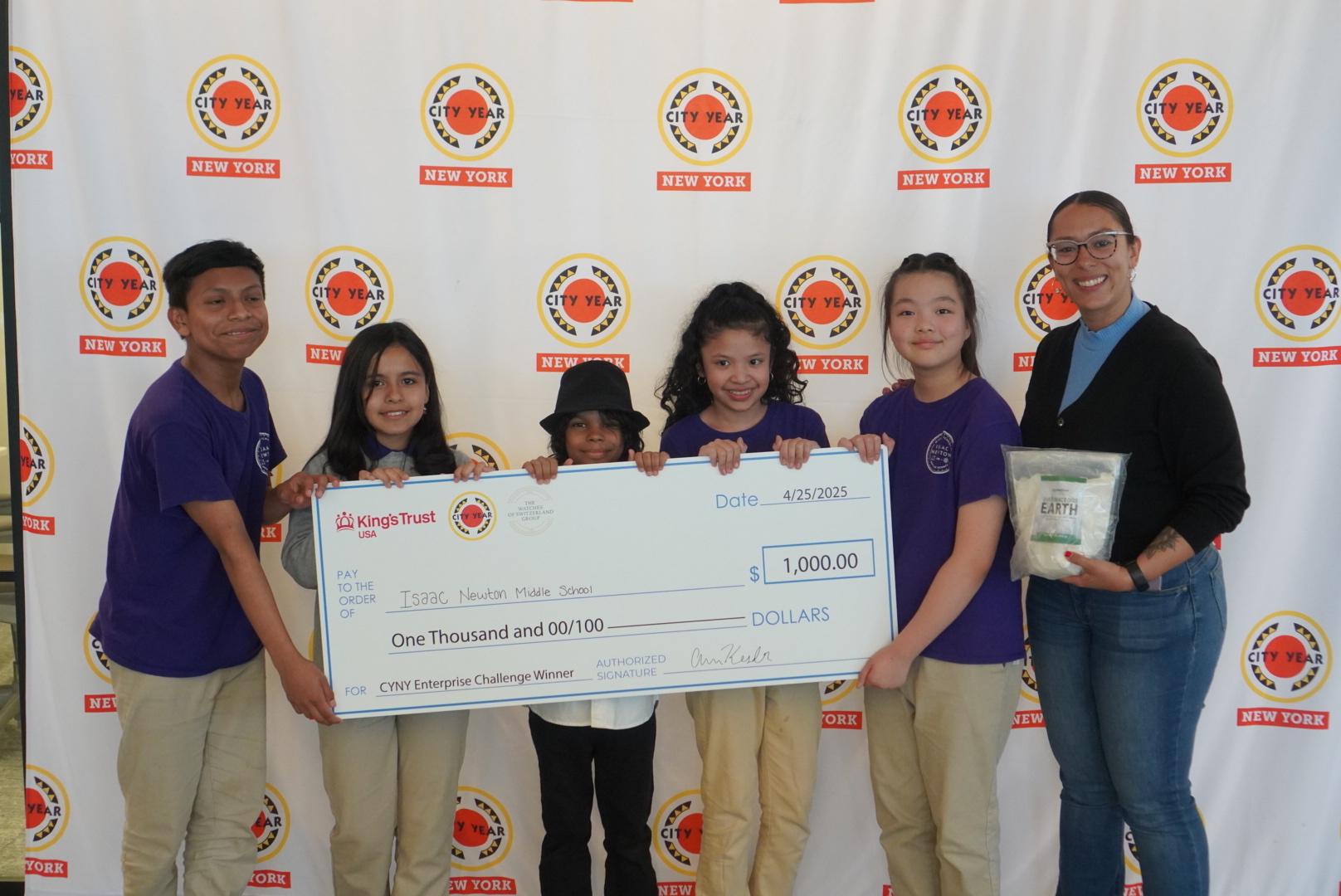
Sweet Dream Kit: Sixth Graders Take on Health and Hygiene
With Innovation and Teamwork, East Harlem New York
At Intermediate School for Math and Science in New York City, six sixth graders joined the Enterprise Challenge Club and got to work tackling a problem they knew too many students face. After weighing different business ideas, the team landed on something practical and personal: a bed bug detection and prevention kit called the Sweet Dream Kit.
The idea came from noticing that many of their peers rely on public transportation, which increases the risk of carrying pests on clothing and backpacks. Their product was designed with care, empathy, and a real solution in mind.
Learning Through Challenge
Public speaking was one of the team’s biggest challenges. Some students were nervous about presenting in front of an audience, while others focused on design, writing, or research. With support and practice, they all found ways to contribute and build something together.
One of their boldest moves was reaching out to a Rutgers University professor who specializes in bed bugs. The professor helped them understand what works and what doesn’t exist in existing products. That conversation gave the team both credibility and a boost of confidence.
Growth Beyond the Competition
The team made it all the way to the Regional Finals, which was a huge win. They didn’t take home the national title, but they left the program with stronger research skills, more confidence as public speakers, and a deeper understanding of how to work as a team.
As their Student Success Coach Samuel Bowen shared, “The growth they have shown has been incredible. I hope they continue to build on this experience because what they made is truly special.”
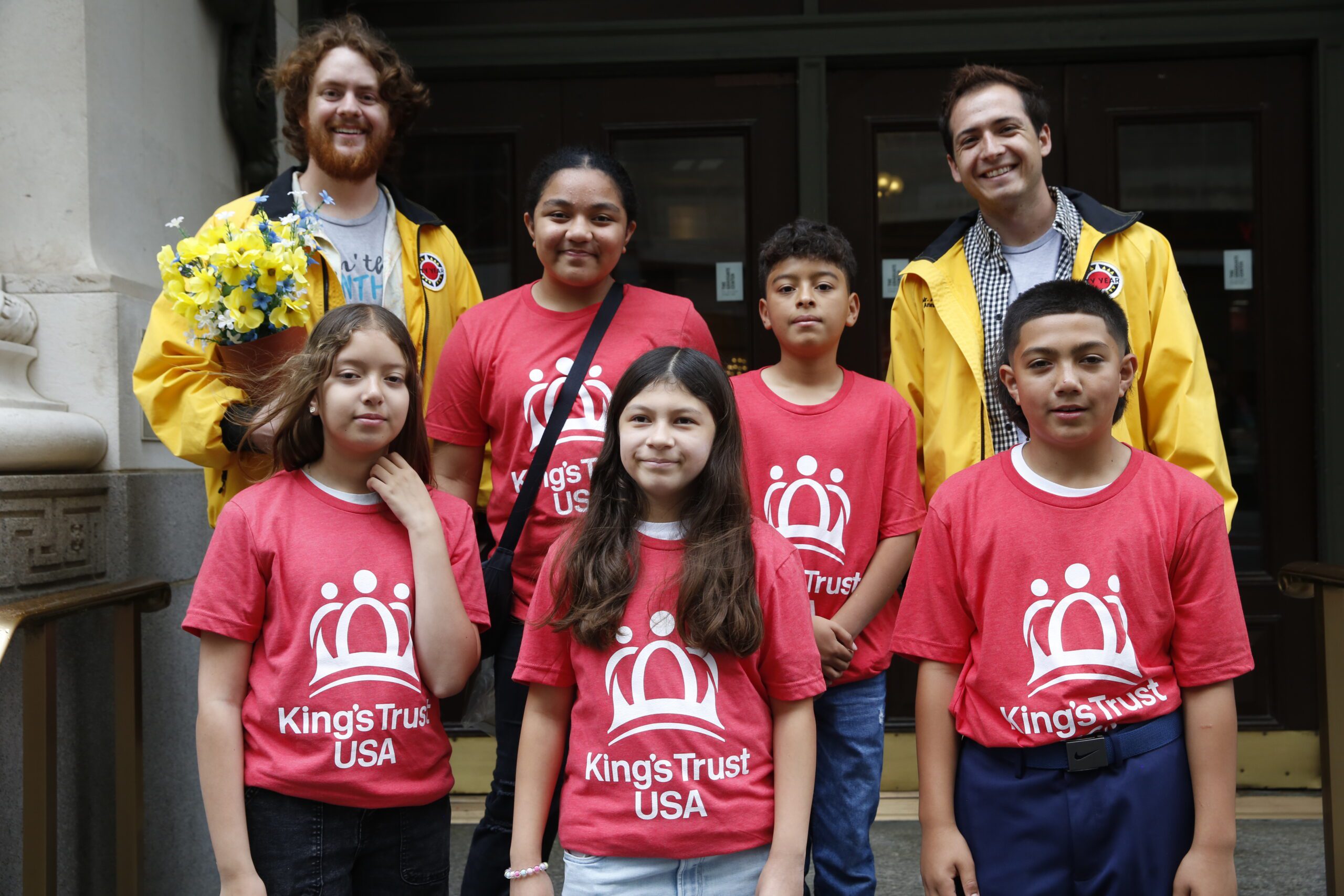
Happy Flowers: Fifth Graders Reclaim Their Community’s Roots Through Blossoms and Business
San Jose, California
At Belle Haven Elementary School in Menlo Park, a group of fifth graders came together with a creative idea and a lot of heart. The team, later named Happy Flowers, wanted to bring the California Golden Violet back to their community in East Palo Alto, where it once grew naturally.
They noticed that the nearest flower shop was more than 20 minutes away. That sparked the idea to sell flowers and seed packets grown right on their school campus. Their business had a purpose: make beauty more accessible, reconnect with local heritage, and spread joy.
Turning Ideas Into Action
Their business plan was detailed and thoughtful. They proposed selling seed packets for five dollars and locally grown bouquets for twenty five. With planter boxes on campus, they could take care of the flowers themselves and learn about sustainability in the process.
The students split up tasks based on their strengths, managed disagreements as they came up, practiced their pitch, and learned how to manage money and forecast profits.
More Than a Business
Their product came with a handmade friendship bracelet and plans to donate one bouquet per week to a local hospital or nursing home. It was clear that Happy Flowers wasn’t just about sales. It was about spreading kindness and pride.
Their win at the Northern California Regional Finals was well earned, and the students proved that even a classroom idea can become something powerful when rooted in community.
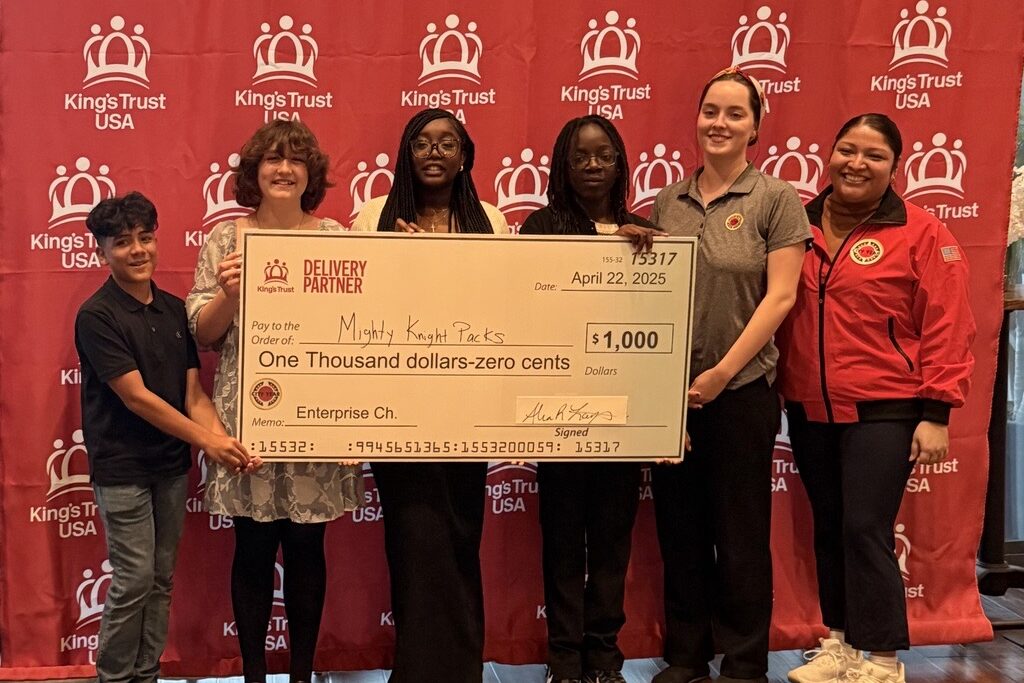
The Mighty Knights: Building Confidence and Creativity Through Custom Kits
Orlando, Florida
At Walker Middle School in Orlando, a team of students known as The Mighty Knights joined the Enterprise Challenge and took off running. They joined the seven week program led by City Year Orlando and The King’s Trust, which helped student teams across Orange County explore business ideas and build skills like communication, teamwork, and creative thinking.
From the Classroom to the Big City
The Mighty Knights came up with a simple and smart idea, customizable backpack kits that help students personalize their bags affordably. Their business concept was clear, creative, and relevant. They pitched it at the regional finals and won, beating out two other middle schools.
In May, they traveled to New York City for the national finals and represented Orlando with confidence and pride.
Learning That Lasts
Through the experience, the students stepped out of their comfort zones and discovered what they were capable of. They practiced public speaking, worked as a team, and started thinking about how they could apply what they learned to future goals.
They left New York with new skills and a sense of accomplishment, not just for their pitch, but for the growth they saw in themselves and each other.
The Trust was founded on the vision that every young person should have the chance to succeed – a vision that remains unchanged today.
Please send us your comments and feedback by filling out our contact form.

Copyright © 2026 The King’s Trust USA. All Rights Reserved. 501(c)(3) (EIN) is 82-5457122.